

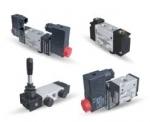
In industrial automation and fluid power systems, controlling the direction and flow of fluids is a critical requirement. For engineers, plant operators, and maintenance teams, precision, reliability, and operational efficiency are paramount. A directional control valve is a core component that meets these needs, enabling controlled movement of hydraulic or pneumatic actuators in diverse industrial applications. Understanding its functionality, applications, and advantages is essential for optimizing system performance and reducing downtime.
What Is a Directional Control Valve?
A directional control valve is a mechanical device used to manage the path and flow of fluid within a hydraulic or pneumatic system. By directing fluid to different channels or ports, it controls the motion of actuators such as cylinders or motors. Unlike simple on/off valves, directional control valves provide precise control over the start, stop, and direction of fluid flow, ensuring that machinery operates smoothly and efficiently.
Key characteristics include:
- Multiple ports to direct fluid flow
- Capability to control start, stop, and reversal of actuators
- Compatibility with pneumatic and hydraulic systems
- Varieties including manual, solenoid-operated, and pilot-operated designs
How Directional Control Valves Work
The working principle of a directional control valve involves shifting a spool or poppet to open or close specific fluid pathways. When the valve is actuated, the internal passageways connect different ports, allowing fluid to flow to the desired actuator or return line.
Common actuation methods include:
- Manual Actuation: Lever, handwheel, or pedal-operated valves
- Solenoid Actuation: Electrically controlled valves for automated systems
- Pilot Actuation: Using system pressure to shift the valve spool
These mechanisms allow engineers to integrate directional control valves into automated or semi-automated systems with minimal complexity, while maintaining precise control over fluid-powered devices.
Applications of Directional Control Valves
Directional control valves are indispensable in industries where controlled motion and fluid management are crucial. Some common applications include:
- Manufacturing Automation: Operating pneumatic or hydraulic cylinders for assembly lines
- Material Handling: Controlling lift and transfer systems, such as conveyors and robotic arms
- Packaging Industry: Ensuring precise movements of pistons and actuators for filling, sealing, or labeling
- Agricultural Machinery: Managing hydraulic implements for tractors and harvesters
- Automotive Industry: Facilitating smooth operation of stamping presses and automated tools
The versatility of directional control valves makes them suitable for almost any system requiring controlled linear or rotary motion.
Benefits of Using Directional Control Valves
- Precision and Control
By accurately directing fluid flow, these valves enhance motion control and reduce operational errors, ensuring consistent performance. - Operational Efficiency
Smooth, responsive valve operation improves cycle times and overall system productivity, which is crucial for high-speed industrial processes. - Flexibility and Integration
Directional control valves can be easily integrated into existing hydraulic or pneumatic systems, offering customizable configurations for diverse applications. - Reduced Wear and Maintenance
Properly designed valves minimize turbulence, vibration, and shock in fluid lines, extending the lifespan of actuators and reducing maintenance costs. - Safety and Reliability
By controlling the direction and pressure of fluid, these valves prevent unintentional movements and system overloads, enhancing workplace safety.
Choosing the Right Directional Control Valve
Selecting an appropriate directional control valve involves evaluating:
- The type of fluid (air or hydraulic oil) and operating pressure
- Flow requirements and actuator specifications
- Actuation method suitable for manual or automated systems
- Environmental factors such as temperature, contamination, and vibration
Working with reliable suppliers such as Airmax Pneumatics ensures access to high-quality valves designed to meet industrial standards, along with technical guidance for selection, installation, and maintenance.
Conclusion
A directional control valve is more than a simple mechanical component: it is a critical enabler of precision, efficiency, and safety in modern industrial systems. From assembly lines to hydraulic machinery, these valves regulate motion, control flow, and enhance operational reliability. Investing in high-quality valves from trusted manufacturers like Airmax Pneumatics ensures businesses maintain seamless operations, reduce downtime, and optimize system performance. Understanding their working principles, applications, and benefits is essential for engineers and industrial professionals striving for efficiency and excellence.